

How to Choose the Right Welding and Cutting Pressure Gauge for Safe Operations
2026-11-10
Article Summary
How can you select a reliable Welding and Cutting Pressure Gauge that delivers accurate readings while supporting safe gas operations? Pressure measurement is an essential part of oxy-fuel welding, flame cutting, and other industrial gas applications. The right gauge helps operators monitor cylinder pressure, regulate gas delivery, and identify abnormal operating conditions before they develop into equipment problems.
This guide explains how welding and cutting pressure gauges work, how to choose the correct pressure range and gas compatibility, which safety features deserve attention, and how to maintain measurement reliability. It also explores common selection mistakes and practical purchasing considerations for equipment manufacturers, distributors, and industrial buyers.
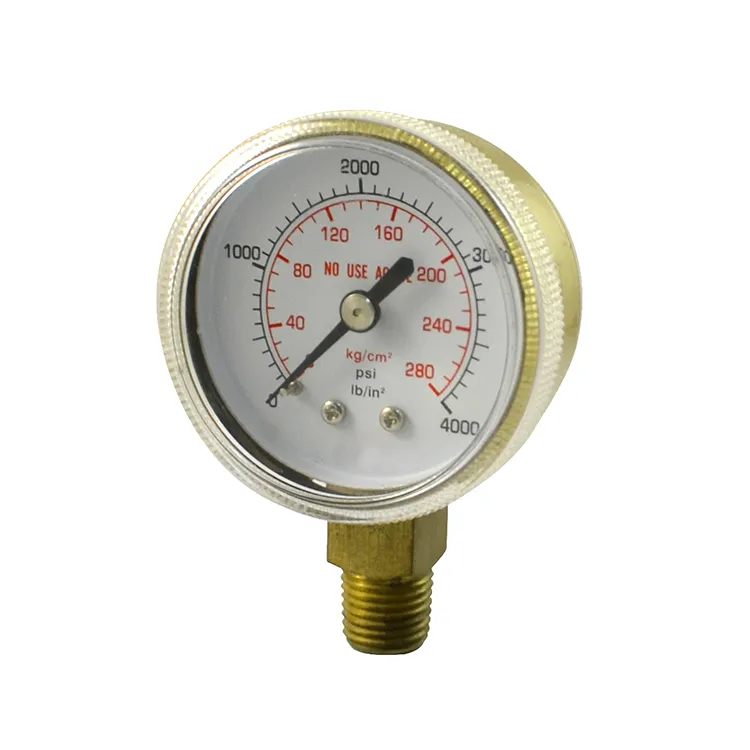
1. Understanding Welding and Cutting Pressure Gauges
A Welding and Cutting Pressure Gauge is a measuring instrument designed to indicate gas pressure in equipment used for welding, flame cutting, and related industrial processes. It is commonly installed on a pressure regulator, gas cylinder assembly, or gas distribution system.
In oxy-fuel operations, gases such as oxygen and acetylene are supplied at controlled pressures. Operators need dependable pressure information to monitor the gas supply and maintain the conditions specified by the equipment manufacturer and the welding procedure.
A typical regulator may use two pressure gauges, each serving a different purpose:
- High-pressure gauge: Indicates the pressure on the cylinder side of the regulator, helping operators assess the remaining gas supply.
- Low-pressure gauge: Indicates the regulated outlet pressure delivered toward the downstream equipment.
These readings should not be confused. Cylinder pressure and outlet working pressure represent different operating conditions. Understanding both helps operators make appropriate adjustments and recognize changes in gas supply.
A gauge intended for general industrial pressure measurement is not automatically suitable for oxygen or acetylene service. Gas compatibility, construction, pressure range, and applicable safety requirements must all be verified.
2. How Does a Welding and Cutting Pressure Gauge Work?
Many conventional welding and cutting pressure gauges use a Bourdon tube measuring mechanism. This mechanical design converts pressure into pointer movement, allowing operators to read the pressure directly from a graduated dial without requiring an external power supply.
The Bourdon Tube Measuring Principle
A Bourdon tube is a curved, hollow metal element with an approximately flattened cross-section. When pressurized gas enters the tube, the element tends to straighten slightly. This movement is transferred through a mechanical linkage and gear mechanism to the pointer.
The pointer moves across the dial to indicate the pressure inside the connected system. When pressure decreases, the tube returns toward its original shape, and the pointer moves accordingly.
Main Components of a Pressure Gauge
| Component | Primary Function | Why It Matters |
|---|---|---|
| Bourdon tube | Senses internal pressure. | Influences measurement performance and gas compatibility. |
| Movement mechanism | Transfers tube movement to the pointer. | Supports consistent mechanical indication. |
| Dial | Displays pressure values. | Allows operators to read measurements quickly. |
| Pointer | Indicates the measured value. | Provides a visible pressure reading. |
| Case and window | Protect internal components. | Help resist environmental and mechanical damage. |
| Process connection | Connects the gauge to the pressure system. | Ensures correct installation and pressure sealing. |
Although the operating principle is relatively simple, the reliability of the complete instrument depends on the quality of its sensing element, mechanical movement, assembly, and calibration.
3. Why Accurate Pressure Measurement Matters
Pressure measurement is not simply about displaying a number. It helps operators understand whether the gas supply and regulator are functioning within the required operating conditions.
3.1 Consistent Welding and Cutting Performance
Oxy-fuel welding and cutting processes require suitable gas flow and pressure conditions. Incorrect pressure settings can contribute to unstable flames, poor cutting performance, excessive gas consumption, or inconsistent results.
A properly selected pressure gauge helps operators monitor the system and make adjustments according to torch specifications, material thickness, and approved operating procedures.
3.2 Better Gas Supply Management
The cylinder-side gauge provides information about the available gas pressure. This helps production teams plan cylinder replacement, reduce unexpected interruptions, and organize gas inventory more efficiently.
3.3 Early Identification of Equipment Problems
Unusual pressure changes, pointer fluctuations, or readings that do not correspond to expected operating conditions may indicate regulator problems, leakage, blockage, or another system abnormality.
While a gauge cannot identify every fault, dependable pressure indication gives maintenance personnel useful information for further inspection.
3.4 Improved Operational Awareness
Clear pressure readings help operators monitor equipment conditions without repeatedly interrupting their work. This is particularly valuable in production environments where several gas systems operate simultaneously.
4. How to Choose the Right Welding and Cutting Pressure Gauge
Selecting the correct pressure gauge requires more than matching the thread size. Buyers should evaluate the gas medium, operating pressure, pressure range, accuracy, construction, safety design, and installation requirements together.
4.1 Identify the Working Gas
The first step is determining which gas the gauge will measure. Different gases have different chemical properties and may require different materials, internal treatments, and design features.
| Gas Type | Typical Application | Selection Considerations |
|---|---|---|
| Oxygen | Oxy-fuel cutting and welding. | Oxygen-compatible, properly cleaned, non-ignitable wetted components. |
| Acetylene | Oxy-acetylene welding and cutting. | Gas-compatible materials and suitable pressure ratings. |
| Propane / LPG | Flame heating and cutting applications. | Compatibility with liquefied petroleum gas and the specified operating conditions. |
| Other industrial gases | Specialized industrial processes. | Verify chemical compatibility and pressure requirements for the actual medium. |
Never assume that one gauge can be used for every gas. In particular, oxygen service requires strict control of contamination. Oil, grease, and incompatible materials can create serious ignition hazards when exposed to pressurized oxygen.
4.2 Select the Correct Pressure Range
Pressure range directly affects how easily operators can interpret measurements. A gauge with an excessively high full-scale value may make normal operating readings difficult to distinguish. A range that is too low may expose the instrument to repeated overpressure.
To select a suitable range, determine:
- The maximum expected working pressure.
- The normal pressure operating window.
- Potential pressure fluctuations or surges.
- The required full-scale value under the applicable standard.
- Whether the instrument measures cylinder pressure or regulated outlet pressure.
For variable-pressure service, the operating range should leave sufficient room below the gauge's full-scale value. Always follow the applicable standard and the manufacturer's specified pressure limits rather than selecting a range based only on convenience.
4.3 Check Accuracy and Readability
Accuracy describes how closely the indicated pressure corresponds to the actual pressure. For gas welding and cutting gauges, ISO 5171:2019 provides specific requirements for instruments used in these applications, including accuracy and performance testing.
When evaluating a gauge, buyers should check:
- Accuracy class and permitted measurement error.
- Dial diameter and scale spacing.
- Pressure units, such as bar, MPa, or psi.
- Pointer visibility and dial contrast.
- Calibration and inspection documentation.
A clearly printed dial with appropriately spaced graduations helps reduce reading errors, especially when operators work in areas with limited lighting or need to monitor multiple instruments.
4.4 Evaluate Materials and Construction
The materials used in a pressure gauge should withstand the gas medium and the actual working environment. The sensing element and other gas-contacting components are particularly important because they directly interact with the pressurized gas.
Common construction considerations include:
- Wetted components: Materials should be compatible with the gas and operating conditions.
- Case: The housing should provide appropriate protection against impact, dust, and environmental exposure.
- Window: A suitable transparent cover allows clear observation while protecting the dial.
- Connection: Thread and sealing materials must match the intended gas service.
- Internal movement: Mechanical components should maintain stable indication under expected operating conditions.
4.5 Confirm Connections and Installation
A pressure gauge must fit the regulator or equipment correctly. Common connection considerations include thread type, nominal size, mounting orientation, and connection position.
Depending on the equipment, buyers may need to specify:
- Radial or bottom connection.
- Back connection, where supported by the design.
- Thread standards such as NPT, BSP, or other specified connections.
- Connection material and sealing arrangement.
- Installation space and dial viewing angle.
Do not force incompatible threads together or use an improvised adapter. Confirm the regulator manufacturer's requirements and have installation or replacement performed by qualified personnel.
5. Essential Safety Features of Welding and Cutting Pressure Gauges
Welding and cutting systems can involve compressed gases, flammable substances, and high operating pressures. Pressure gauge design should therefore consider operator protection as well as measurement performance.
5.1 Blow-Out Protection
A blow-out device provides a designated route for pressure to escape from the gauge case if the pressure element fails. This helps reduce the risk of the front window or other components being expelled toward the operator.
5.2 Solid Baffle Wall
Some safety-pattern gauges incorporate a solid baffle wall that separates the pressure-bearing mechanism from the front dial area. Combined with an appropriate rear pressure-relief design, this construction helps direct escaping pressure away from the front of the instrument.
5.3 Oxygen Cleanliness
Oxygen pressure gauges require particular attention to cleanliness. Internal and external gas-contacting components must be free from oil, grease, and other incompatible contaminants. Only materials and lubricants suitable for oxygen service should be used.
5.4 Correct Gas Identification
Clear gas identification helps prevent accidental interchange between incompatible equipment. Markings, dial labels, and connections should be consistent with the intended gas and the applicable equipment requirements.
Never use a standard general-purpose gauge as a substitute for an oxygen- or acetylene-specific model without confirming its suitability. Never apply oil or grease to oxygen equipment. Damaged, leaking, contaminated, or unreliable gauges must be removed from service and assessed by qualified personnel.
6. Common Applications of Welding and Cutting Pressure Gauges
These instruments are widely used in industrial gas systems where operators need to monitor pressure and maintain controlled gas delivery.
6.1 Oxy-Acetylene Welding
In oxy-acetylene welding, oxygen and acetylene are supplied through separate regulators and hoses. Pressure gauges help monitor cylinder supply and regulated outlet conditions, supporting stable operation in accordance with torch specifications.
6.2 Oxy-Fuel Flame Cutting
Flame cutting requires controlled fuel gas and oxygen delivery. Reliable pressure indication helps operators check the gas supply and identify unusual pressure conditions that could affect cutting performance.
6.3 Industrial Gas Distribution Systems
Manufacturing facilities may use centralized gas supply systems, manifolds, and distribution pipelines. Suitable pressure gauges provide local indications at important points in the system.
6.4 Welding Equipment Manufacturing
Pressure gauges are important components in welding regulators, gas control assemblies, and related equipment. OEM manufacturers and equipment distributors need dependable instruments that match their product specifications and market requirements.
6.5 Maintenance and Gas Equipment Servicing
Service technicians use pressure readings to evaluate equipment conditions during inspections and maintenance. A reliable gauge supports troubleshooting and helps identify potential problems that require further investigation.
7. Common Selection and Operating Mistakes
Even a well-manufactured pressure gauge can perform poorly if it is incorrectly selected, installed, or maintained. The following mistakes are worth avoiding.
| Common Mistake | Possible Consequence | Recommended Action |
|---|---|---|
| Choosing an unsuitable pressure range | Poor readability or overpressure exposure. | Match the range to actual operating conditions. |
| Ignoring gas compatibility | Material degradation or serious safety hazards. | Verify gas-specific design requirements. |
| Using incorrect thread connections | Leakage or damaged fittings. | Confirm connection standards before ordering. |
| Ignoring abnormal pointer movement | Undetected instrument or system problems. | Stop and inspect the equipment. |
| Overlooking calibration | Unreliable pressure readings. | Follow a suitable verification schedule. |
| Using contaminated oxygen equipment | Potential ignition or fire. | Maintain oxygen cleanliness requirements. |
8. How to Maintain a Welding and Cutting Pressure Gauge
Regular inspection and proper handling help extend service life and maintain reliable measurement performance. Maintenance intervals should be based on operating conditions, manufacturer instructions, and applicable workplace procedures.
8.1 Perform Visual Inspections
Before use, check the gauge for visible damage, including cracked windows, bent pointers, damaged threads, loose fittings, corrosion, and unreadable dial markings.
8.2 Monitor Pointer Behavior
Pay attention to unusual fluctuations, sticking, delayed movement, or failure to return toward zero when depressurized. These symptoms may indicate mechanical damage or measurement problems.
8.3 Check for Leakage
Inspect connections and regulator assemblies using an approved leak-detection method suitable for the gas and equipment. Never use an open flame to check for gas leaks.
8.4 Verify Calibration
Pressure gauges should be checked at intervals appropriate to their use and required accuracy. Calibration or verification should be carried out using suitable reference equipment and documented procedures.
8.5 Store and Handle Correctly
Protect spare gauges from moisture, dust, excessive vibration, impact, and extreme temperatures. Keep oxygen-service instruments clean and protected from hydrocarbon contamination throughout storage and handling.
Replacement should be considered when the gauge has visible damage, persistent pointer errors, suspected internal contamination, leakage, failed verification, or an operating history that makes its reliability uncertain. Do not attempt unauthorized repairs to gas pressure gauges.
9. What Should Buyers Check Before Purchasing?
For industrial buyers, purchasing the correct pressure gauge involves balancing technical requirements, product consistency, delivery needs, and supplier reliability. A clear specification helps prevent mismatches and reduces unnecessary communication during procurement.
Technical Specification Checklist
- Intended gas: oxygen, acetylene, LPG, or another specified gas.
- Application: cylinder pressure, outlet pressure, or distribution line measurement.
- Pressure range and required pressure units.
- Accuracy class and applicable standard.
- Dial diameter and scale design.
- Case and wetted-part materials.
- Safety construction and pressure-relief arrangement.
- Connection type, thread size, and mounting position.
- Operating temperature and environmental conditions.
- Required inspection, calibration, and conformity documents.
Evaluate the Supplier's Manufacturing Capabilities
Beyond the product specification, buyers should evaluate whether a supplier can provide consistent quality and dependable technical support.
Useful questions to ask include:
- Can the supplier provide detailed technical drawings and product specifications?
- Are the gauges tested according to the requirements of the intended application?
- Can the supplier confirm oxygen or acetylene compatibility where required?
- Are customized dial markings, units, or connection configurations available?
- Can product quality and inspection information be provided for each order?
- Does the supplier have experience supporting OEM and bulk purchasing requirements?
For distributors and equipment manufacturers, consistent product specifications are especially important. Using standardized components across product batches can simplify assembly, inspection, inventory management, and after-sales support.
Why Work with an Experienced Pressure Gauge Manufacturer?
An experienced manufacturer can help buyers identify suitable pressure ranges, connection configurations, and construction options according to their equipment requirements. This technical communication is valuable when purchasing gauges for specialized gas applications or developing customized regulator assemblies.
Ritherm is a pressure gauge brand that buyers can explore when sourcing industrial pressure measurement products. Reviewing the manufacturer's product information and discussing application-specific requirements can help procurement teams identify an appropriate solution for their equipment and distribution needs.
To learn more about the company, visit the Ritherm company profile.
10. Frequently Asked Questions
Q1. What is a Welding and Cutting Pressure Gauge used for?
A Welding and Cutting Pressure Gauge measures gas pressure in equipment used for welding, flame cutting, and related processes. It helps operators monitor cylinder pressure, regulated outlet pressure, and gas supply conditions.
Q2. What is the difference between a high-pressure and low-pressure gauge?
A high-pressure gauge typically indicates the pressure inside the gas cylinder or upstream supply. A low-pressure gauge indicates the regulated outlet pressure supplied to downstream equipment. Both provide different but important operating information.
Q3. Can one pressure gauge be used for oxygen and acetylene?
Not automatically. Oxygen and acetylene have different material compatibility and safety requirements. A gauge must be specifically designed and approved for the intended gas service. Always verify the manufacturer's specifications before use.
Q4. Which standard applies to welding and cutting pressure gauges?
ISO 5171:2019 specifies requirements for pressure gauges used in gas welding, cutting, and allied processes. Buyers should also consider applicable national regulations, equipment standards, and the requirements of the intended market.
Q5. Why must oxygen pressure gauges be free from oil and grease?
Oxygen is a strong oxidizer, and oil or grease contamination can create a serious ignition hazard under pressurized oxygen conditions. Oxygen-service gauges must meet appropriate cleanliness and material compatibility requirements.
Q6. What causes a pressure gauge pointer to fluctuate?
Possible causes include pressure pulsation, vibration, unstable gas supply, regulator problems, or internal mechanical wear. If the pointer behaves abnormally, stop using the equipment when necessary and arrange a qualified inspection.
Q7. How often should a welding pressure gauge be calibrated?
There is no single calibration interval suitable for every application. The frequency depends on operating conditions, measurement requirements, manufacturer recommendations, and workplace procedures. Regular verification is important where accurate pressure readings are critical.
Q8. What pressure range should I choose for a welding gauge?
The correct range depends on the gas, cylinder or outlet pressure, regulator specifications, and expected operating conditions. Avoid selecting a gauge solely because its maximum range appears suitable. Confirm the required range with the equipment manufacturer.
Q9. What should I do if a pressure gauge is damaged?
Stop using the affected equipment when it is safe to do so, isolate the gas supply according to established procedures, and have the gauge inspected or replaced by qualified personnel. Never continue operating a system with an unreliable or leaking pressure gauge.
Q10. Can welding and cutting pressure gauges be customized?
Many manufacturers offer configuration options such as dial size, pressure range, measurement units, connection type, and dial markings. Availability depends on the product design and manufacturing capabilities. Buyers should provide detailed specifications when requesting a quotation.
Conclusion: Choose the Right Gauge for Reliable Gas Pressure Monitoring
Selecting a suitable Welding and Cutting Pressure Gauge is an important part of building a dependable oxy-fuel gas system. The right instrument should provide clear and reliable readings while meeting the gas compatibility, pressure range, accuracy, connection, and safety requirements of the application.
For industrial buyers, a careful selection process starts with identifying the working gas and actual operating conditions. It should then consider applicable standards, safety features, material quality, installation requirements, and the manufacturer's ability to provide consistent products.
Proper installation, routine inspection, and timely replacement are equally important. By considering the complete operating environment rather than focusing on price alone, manufacturers, distributors, and end users can make more informed purchasing decisions and support safer, more efficient welding and cutting operations.
Looking for a Reliable Pressure Gauge Supplier?
Choosing the right pressure measurement solution starts with understanding your application. Whether you are sourcing welding and cutting pressure gauges for industrial equipment, OEM assemblies, or wholesale distribution, Ritherm is ready to discuss your requirements.
Contact us today to discuss your required pressure range, gas compatibility, connection specifications, and customization needs. Let Ritherm help you find a suitable pressure gauge solution for your business.
Contact UsTechnical note: Always refer to the latest applicable standards, product documentation, regulator instructions, and local safety regulations when selecting or operating gas pressure measurement equipment.
